
OFC Token Price: What to Know About OneFootball Credits
The OFC token price tracks OneFootball Credits, a utility token linked to OneFootball’s fan economy. As of May 4, 2026, CoinMarketCap showed OneFootball Credits around $0.0405, with a circulating supply of about 161.27 million OFC and a maximum supply of 1 billion OFC. Because crypto prices move quickly across venues, traders should always check a live market page before placing an order.

OneFootball Credits is not just another ticker. OFC sits at the intersection of football fandom, digital rewards, creator participation, and exchange speculation. That mix can create attention, but it also means the OFC token price may react sharply to listings, liquidity, token unlocks, product adoption, and broader crypto sentiment.
OFC Token Price Snapshot
| Metric | Recent Snapshot |
|---|---|
| Token | OneFootball Credits |
| Symbol | OFC |
| Approx. price | $0.0405 on CoinMarketCap, May 4, 2026 |
| Circulating supply | About 161.27M OFC |
| Max supply | 1.00B OFC |
| Category | Fan economy / utility token |
| Trading pair to watch | OFC/USDT |
For a live view, check the OneFootball Credits price chart on WEEX, where users can monitor OFC price movement, market data, and related tools in one place.
What Is OneFootball Credits?
OneFootball Credits is designed as a utility token for the OneFootball ecosystem. According to the project’s public materials, OFC is intended to support fan engagement, rewards, raffles, creator participation, and partner activity inside a broader football fan economy.
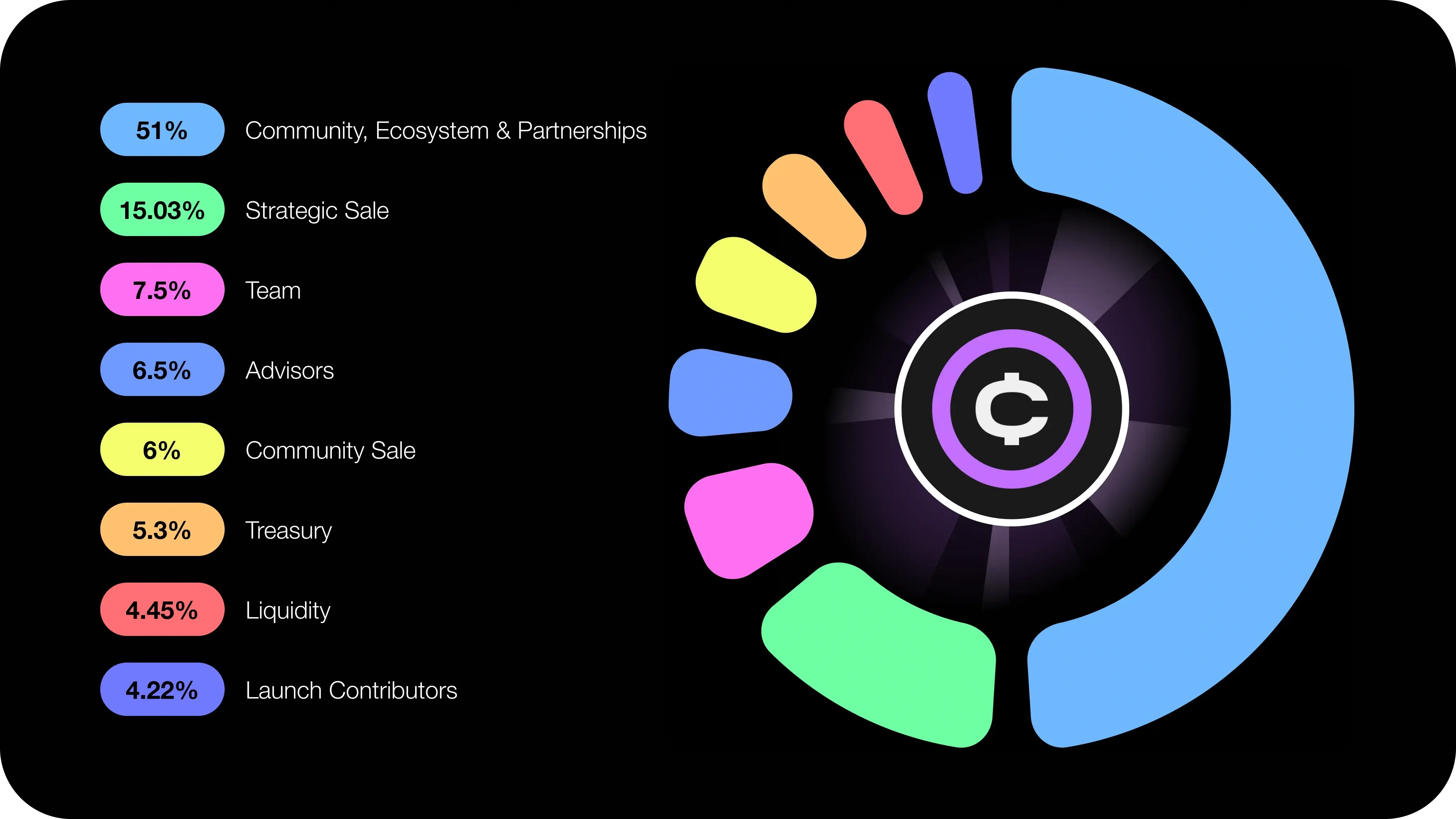
That utility story matters because the market will not only price OFC as a tradable crypto asset. It will also look for evidence that fans, creators, clubs, or partners actually use the token. In practice, the better question is not only “What is the OFC token price today?” but “Is there enough real activity to support demand over time?”
Why the OFC Token Price Moves
The OFC token price can move for several reasons:
| Price Driver | Why It Matters |
|---|---|
| Exchange listings | More venues can improve access, but listings can also bring short-term volatility. |
| Liquidity depth | Thin order books can make OFC move sharply on relatively small trades. |
| Fan adoption | Real platform usage would support a stronger utility narrative. |
| Token supply | Unlocks or large-holder selling can pressure price. |
| Market sentiment | Small-cap tokens often react harder to Bitcoin and altcoin cycles. |
| News flow | Sports partnerships, product launches, or ecosystem updates can change trader expectations. |
WEEX announced OFC USDT futures trading in April 2026, with adjustable leverage listed for the perpetual contract. Traders interested in derivatives can review the WEEX OFC USDT futures listing details, but futures require stricter risk control because leverage can magnify both gains and losses.
How to Read the OFC Price Without Overreacting
A low token price does not automatically mean a token is cheap. For OFC, market cap, fully diluted valuation, circulating supply, liquidity, and actual token utility matter more than the unit price alone.
For example, a move from $0.04 to $0.08 sounds small in dollar terms, but it represents a 100% price increase. The same logic works in reverse. If liquidity is shallow, a sell-off can happen faster than casual traders expect.
The more useful approach is to compare:
Current OFC price versus recent highs and lows
Market cap versus fully diluted valuation
Trading volume versus market cap
Exchange liquidity across spot and futures venues
Whether OneFootball’s ecosystem activity is growing
Users who want a beginner-friendly route can also read how to buy OneFootball Credits on WEEX, especially if they need to understand account setup, payment methods, and basic trade flow before touching the market.
Practical Risks Before Trading OFC
The biggest OFC risk is not simply that the price can fall. The more practical risk is execution. Smaller or newly listed tokens can have wider spreads, fast candles, and uneven liquidity across exchanges.
Traders should watch for:
| Risk | What It Looks Like |
|---|---|
| Slippage | Your executed price is worse than expected. |
| Liquidity gaps | The chart moves quickly because order books are thin. |
| Leverage risk | A small OFC move triggers liquidation on futures. |
| Supply pressure | Unlocks or large-holder exits weigh on price. |
| Narrative risk | Fan-token excitement fades if real adoption is slow. |
OFC may appeal to traders who understand both crypto market structure and sports-fan ecosystem narratives. It is less suitable for anyone treating a low unit price as a shortcut to easy upside.
Bottom Line
The OFC token price gives traders a live read on market interest in OneFootball Credits, but price alone is not enough. The stronger analysis combines OFC’s market cap, liquidity, supply structure, exchange access, and actual use inside the OneFootball ecosystem.
For real-time tracking, use the OFC price page on WEEX and compare it with other market data before trading. If you decide to participate, size positions around volatility, not excitement.
FAQ
What is the OFC token price today?
As of May 4, 2026, CoinMarketCap showed OneFootball Credits near $0.0405. Live prices can differ by exchange, so check a real-time chart before trading.
What is OneFootball Credits?
OneFootball Credits, or OFC, is a utility token connected to OneFootball’s football fan economy, including engagement, rewards, and ecosystem participation.
Where can I check the OFC price on WEEX?
You can follow the live OneFootball Credits price on WEEX here: https://www.weex.com/tokens/onefootball-credits.
Is OFC a good investment?
That depends on your risk tolerance, time horizon, liquidity needs, and view of OneFootball’s ecosystem adoption. This article is informational, not financial advice.
What affects the OFC token price most?
Key factors include exchange listings, liquidity, circulating supply, fan-economy adoption, large-holder behavior, and broader crypto market sentiment.
You may also like

WEEX 0-Fee Futures Event: Trade Gold, Silver, Crude Oil and Stock Futures With 0% Fees
Explore the WEEX 0-Fee Futures event, featuring 0% fees on gold, silver, crude oil, and stock futures from February 9 to April 30, 2026.

Can PAC Coin Reach $1 Soon? Analyzing Public Asset Control
PAC is a Solana-based meme token with a government-themed narrative, but it is highly speculative.
At its current price (~$0.0009) and 1B supply, reaching $1 would require a $1B market cap, which is very unlikely.
Short-term moves to $0.001 or $0.01 are more realistic, but the token is highly volatile due to low liquidity and hype-driven trading.
Overall, $1 is not a realistic target, and PAC is better suited for short-term speculation than long-term investment.

What Is SAOS? Strategic American Oil Supply Token Explained
SAOS is a meme token on Solana with a 75,000 USD market cap and 22,000 USD locked liquidity, positioned around oil supply themes but lacking real asset backing
It thrives on pure narrative speculation, with no utility, website, or doxxed team, making it highly volatile and attention-dependent
Traders should distinguish SAOS from legitimate real-world asset projects, as its branding is speculative rather than substantive
Positive aspects include locked liquidity reducing rug pull risks, but low trading activity signals high uncertainty
NBIS Stock: What Nebius’ AI Cloud Surge Means Now
NBIS stock jumped as Nebius reported rapid AI cloud growth. See the key Q1 2026 numbers, catalysts, valuation risks, and what to watch next.

What Is Public Asset Control (PAC) Coin? Explained for Beginners
Public Asset Control (PAC) is a Solana-based token that uses a “government asset control” narrative involving oil and gold themes, but it has no verified ties to any real institutions or governments. It is mainly an entertainment-focused, speculative meme coin.
The project’s claims about links to entities like BlackRock or Palantir are unverified, and its own disclaimer states it is not a real financial or institutional asset. Like many new Solana tokens, PAC is highly volatile, with low liquidity and limited transparency, including no fully verified audit.
Overall, PAC is a high-risk speculative token driven by hype and storytelling rather than real utility. Beginners are advised to be cautious, verify contract details, and prioritize risk control before considering any trading.

Public Asset Control: What PAC Token Really Is
Public Asset Control PAC is a Solana token with bold asset-control branding. Learn what it is, what is verified, and the key trading risks.

Why Is Chinese Oil Asset Reserve (COAR Crypto) Trending Now?
Why is Chinese Oil Asset Reserve trending now? Learn the latest COAR crypto price action, trading volume, oil narrative, Solana pair data, and what is driving attention today.

How to Buy Chinese Oil Asset Reserve (COAR) Token in 2026: Latest Step-by-Step Guide, Contract Address, and Safe Buying Tips
How to buy Chinese Oil Asset Reserve (COAR) token step by step, including the official COAR contract address, Solana wallet setup, SOL funding, and latest market data.

COAR Coin: What Chinese Oil Asset Reserve Really Is
COAR coin is a new Solana oil-narrative token. Learn what Chinese Oil Asset Reserve claims, how to verify the contract, and key trading risks.

Did the CLARITY Act Pass Today? Latest Status and the History of the Crypto Bill
SEO meta description: Did the CLARITY Act pass today? Read the latest crypto bill update, the history of the CLARITY Act, House and Senate votes, and what happens next for U.S. crypto regulation.

What Is Chinese Oil Asset Reserve (COAR) Token? $COAR and Coar Stock Relationship Explained
Chinese Oil Asset Reserve (COAR) token explained, $COAR price, Solana details, and the relationship between COAR and Coar stock. Learn the latest facts.

Trade to Earn on WEEX: Join the Futures Trading Event and Earn Real-Time WXT Rewards Throughout May 2026
Join the WEEX Trade to Earn Series Five event from May 1–31, 2026 and earn real-time WXT rewards through futures trading. Boost your rebate level, complete missions, invite friends, and maximize your trade to earn rewards with USDT-M futures trading.

Trade to Earn With Futures Trading on WEEX: How Smart Traders Are Turning Every Position Into WXT Rewards
Join the WEEX Trade to Earn Series Five campaign and earn real-time WXT rewards through futures trading from May 1–31, 2026. Upgrade mining levels, unlock higher rebate ratios, complete missions, and maximize your trade to earn rewards with USDT-M futures trading.

CBRS Stock: What to Know About Cerebras After Its IPO
CBRS stock surged after Cerebras priced its IPO at $185. Learn what the AI chipmaker does, why valuation matters, and what risks to watch.
SpaceX IPO Stock Market Impact: What Investors Should Watch
SpaceX’s IPO could reshape indexes, liquidity, space stocks, and crypto risk appetite. Here is what matters before the listing.

HMSTR Token Price: What Moves Hamster Kombat Now
Track HMSTR token price, supply, catalysts, and risks. Learn what drives Hamster Kombat price action and what traders should watch.

How to Buy Public Asset Control (PAC) Token in 2026: Latest Solana Buying Guide
How to buy Public Asset Control (PAC) token in 2026, PAC contract address, Solana wallet setup, Jupiter swap guide, latest price, liquidity, and risks.

What Is Public Asset Control (PAC) Token and How Does It Work? Latest Solana PAC Token Guide
Public Asset Control (PAC) token explained. Learn what PAC is, how it works on Solana, current price snapshot, risks, and buying basics.
WEEX 0-Fee Futures Event: Trade Gold, Silver, Crude Oil and Stock Futures With 0% Fees
Explore the WEEX 0-Fee Futures event, featuring 0% fees on gold, silver, crude oil, and stock futures from February 9 to April 30, 2026.
Can PAC Coin Reach $1 Soon? Analyzing Public Asset Control
PAC is a Solana-based meme token with a government-themed narrative, but it is highly speculative.
At its current price (~$0.0009) and 1B supply, reaching $1 would require a $1B market cap, which is very unlikely.
Short-term moves to $0.001 or $0.01 are more realistic, but the token is highly volatile due to low liquidity and hype-driven trading.
Overall, $1 is not a realistic target, and PAC is better suited for short-term speculation than long-term investment.
What Is SAOS? Strategic American Oil Supply Token Explained
SAOS is a meme token on Solana with a 75,000 USD market cap and 22,000 USD locked liquidity, positioned around oil supply themes but lacking real asset backing
It thrives on pure narrative speculation, with no utility, website, or doxxed team, making it highly volatile and attention-dependent
Traders should distinguish SAOS from legitimate real-world asset projects, as its branding is speculative rather than substantive
Positive aspects include locked liquidity reducing rug pull risks, but low trading activity signals high uncertainty
NBIS Stock: What Nebius’ AI Cloud Surge Means Now
NBIS stock jumped as Nebius reported rapid AI cloud growth. See the key Q1 2026 numbers, catalysts, valuation risks, and what to watch next.
What Is Public Asset Control (PAC) Coin? Explained for Beginners
Public Asset Control (PAC) is a Solana-based token that uses a “government asset control” narrative involving oil and gold themes, but it has no verified ties to any real institutions or governments. It is mainly an entertainment-focused, speculative meme coin.
The project’s claims about links to entities like BlackRock or Palantir are unverified, and its own disclaimer states it is not a real financial or institutional asset. Like many new Solana tokens, PAC is highly volatile, with low liquidity and limited transparency, including no fully verified audit.
Overall, PAC is a high-risk speculative token driven by hype and storytelling rather than real utility. Beginners are advised to be cautious, verify contract details, and prioritize risk control before considering any trading.
Public Asset Control: What PAC Token Really Is
Public Asset Control PAC is a Solana token with bold asset-control branding. Learn what it is, what is verified, and the key trading risks.


