
How to Withdraw from WEEX: Step-by-Step Guide, Fees, and Troubleshooting

Struggling to figure out how to withdraw from WEEX? Are you anxious because your WEEX withdrawal hasn’t reached your wallet despite submitting a request?
Good news: learning how to withdraw from WEEX is simple and can be done in a few steps. This guide explains the WEEX withdrawal process, associated fees, and solutions for common issues, ensuring you can withdraw funds smoothly.
Understanding WEEX Withdrawal Methods
WEEX supports withdrawals exclusively in cryptocurrencies. Fiat currencies like JPY or USD cannot be withdrawn directly. To withdraw from WEEX, you transfer tokens to an external wallet or another exchange.
Additionally, WEEX offers an “internal transfer” feature to send funds to other WEEX users without fees.
Each WEEX withdrawal incurs a network fee, which varies by coin and blockchain network. For instance, withdrawing USDT via ERC20 costs a few USDT, while TRC20 is around 3 USDT.
For security, WEEX may temporarily restrict withdrawals or require KYC verification. If this happens, wait 24 hours and retry your WEEX withdrawal.

Step-by-Step Guide: How to Withdraw from WEEX
Mastering how to withdraw from WEEX is easy with the official website or mobile app. Follow these steps to complete your WEEX withdrawal.
Step 1: Access the WEEX Platform
Visit the WEEX official website to start your withdrawal.
Log in with your registered email and password. For mobile users, open the WEEX app and sign in to begin the WEEX withdrawal process.
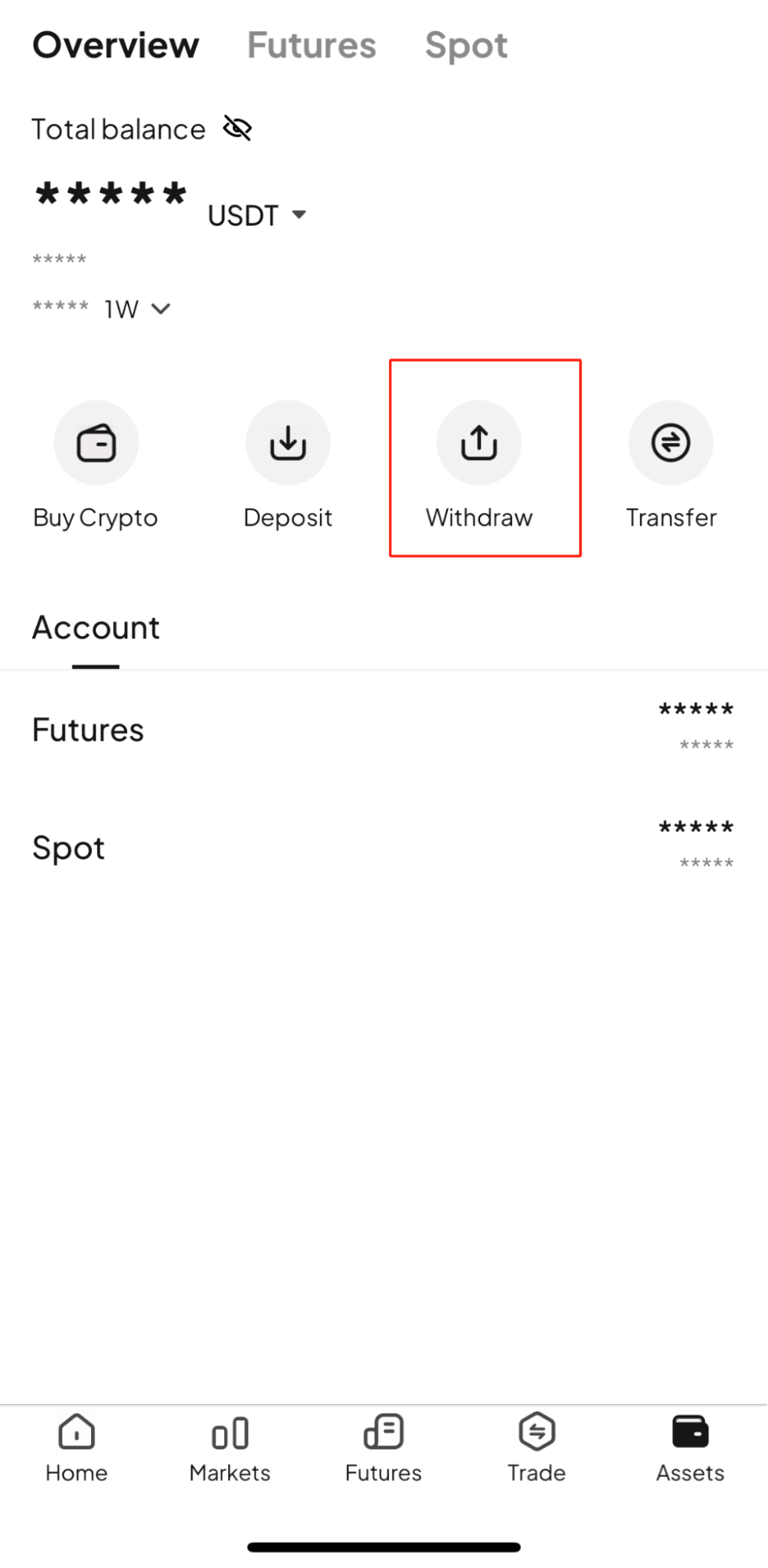
Step 2: Select “Withdraw” from the Wallet
Once logged in, locate the wallet (assets) icon on the WEEX interface and click it (or tap on the app).
Choose Withdraw from the menu to access the WEEX withdrawal screen.
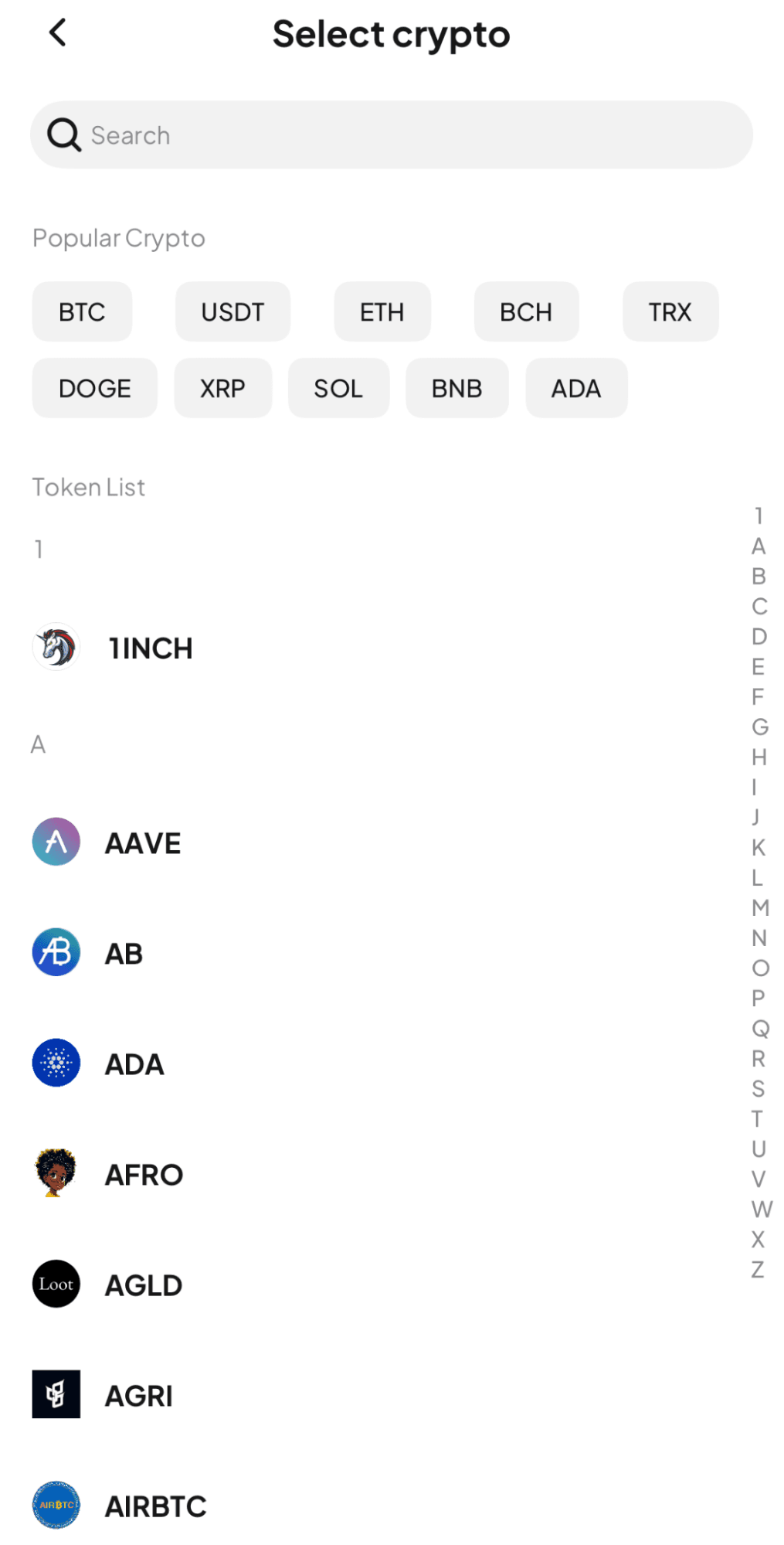
Step 3: Choose the Coin to Withdraw
On the WEEX withdrawal screen, select the cryptocurrency you want to withdraw (e.g., BTC, ETH, USDT).
Verify your wallet balance and withdrawable amount before proceeding with your WEEX withdrawal.
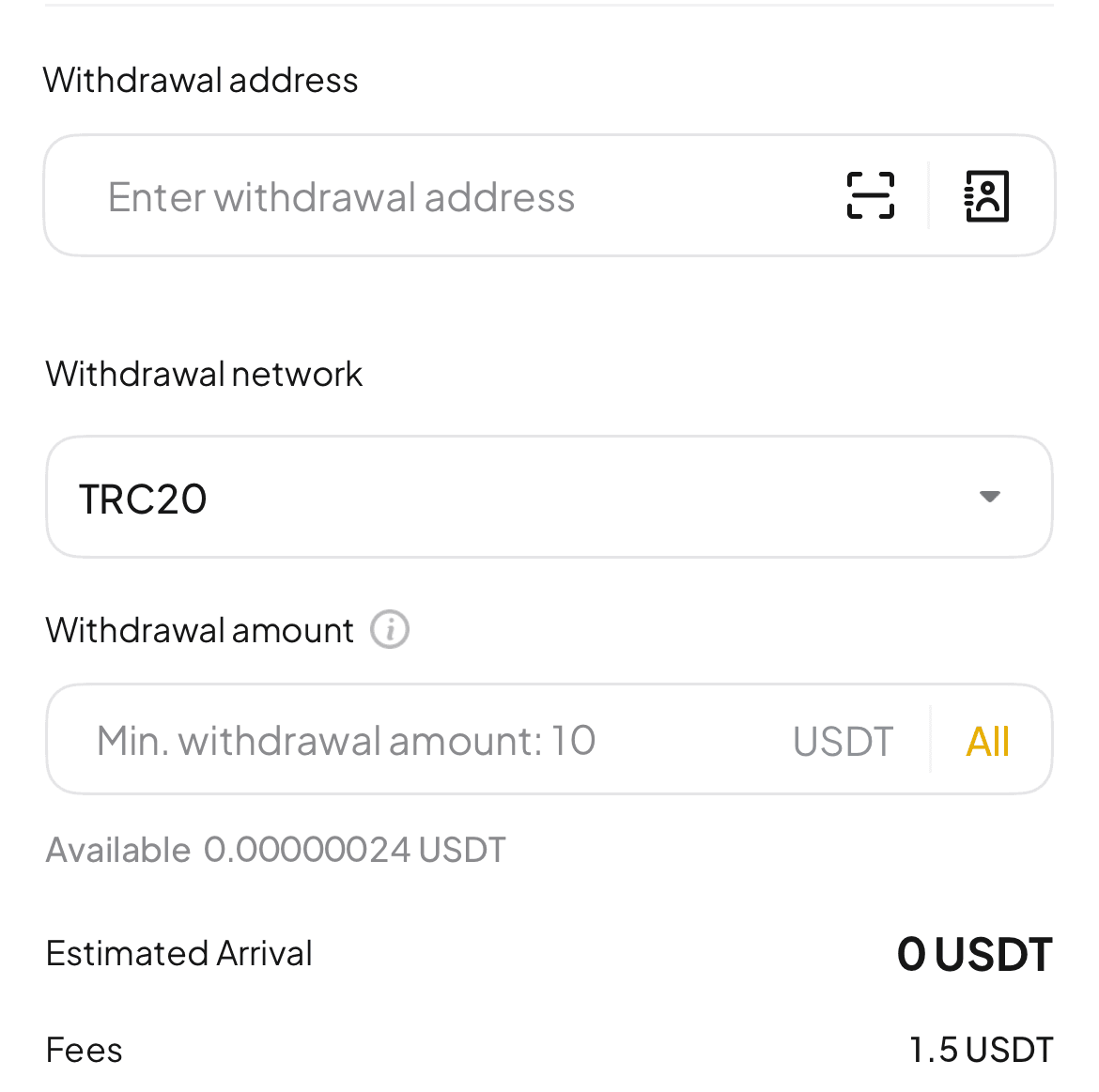
Step 4: Enter Network, Address, and Amount
Specify the blockchain network for your WEEX withdrawal (compatible with your chosen coin).
Carefully input the destination wallet’s address—mistakes can lead to lost funds.
Enter the amount you wish to withdraw from WEEX and double-check all details.
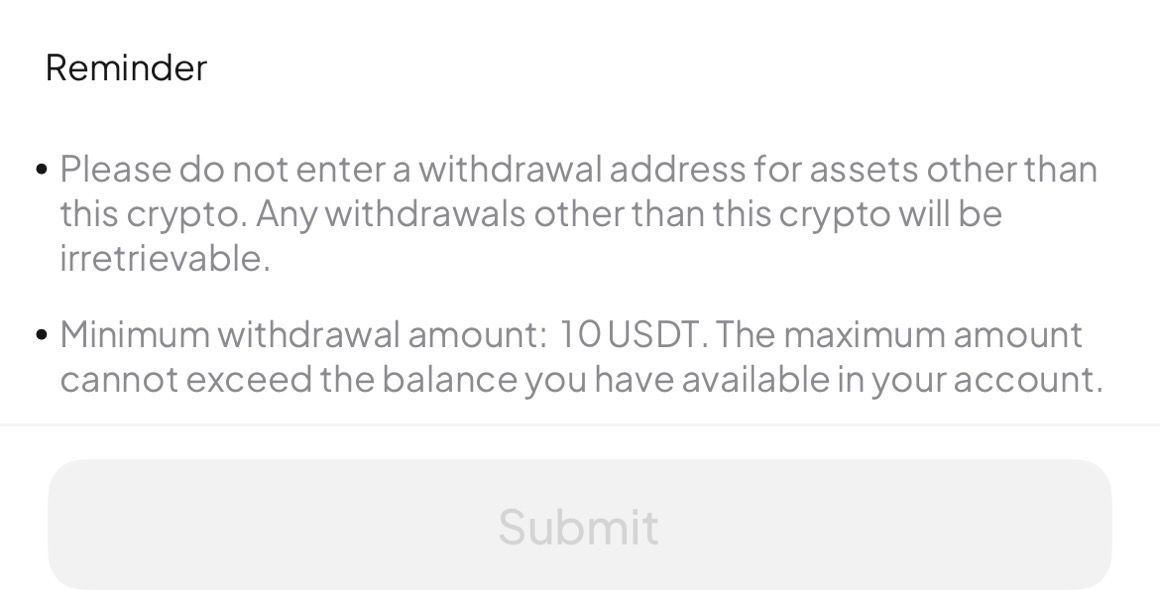
Step 5: Confirm and Submit the Withdrawal
Review your WEEX withdrawal details, then tap Withdraw.
You may need to enter an authentication code sent via email or SMS for security. Complete the verification to finalize your WEEX withdrawal request.
Once approved, the WEEX withdrawal processes on the blockchain, taking a few minutes to tens of minutes to reach your wallet.
Why Can’t I Withdraw from WEEX? Causes and Fixes
Encountering issues when trying to withdraw from WEEX? Below are common reasons and solutions to ensure your WEEX withdrawal succeeds.
Check Your WEEX Withdrawal History
Visit the WEEX withdrawal history to review your request’s status or error messages.
A “Processing” or “Pending Approval” status may indicate a delay. Security measures, like a recent password change, can lock WEEX withdrawals for 24 hours.
Ensure you’re not exceeding unverified account limits—completing KYC boosts your WEEX withdrawal limit.
Verify that two-factor authentication or email verification was completed correctly.
If WEEX is undergoing maintenance, check the official website or social media for updates and wait before retrying your withdrawal.
Verify Network and Address Details
Incorrect destination addresses or blockchain networks can block your WEEX withdrawal.
Always copy-paste the wallet address and select the correct network (e.g., ERC20 or TRC20) to avoid losing funds.
Network congestion may also delay your WEEX withdrawal, as coins like USDT require multiple blockchain confirmations. Monitor the status patiently after submitting your WEEX withdrawal request.
Contact WEEX Support
If you still can’t withdraw from WEEX, contact their support team via chat or email through the official website.
Provide details like coin type, amount, date, and transaction ID for faster resolution of your WEEX withdrawal issue.
Support may respond in English—use translation tools if needed. WEEX offers 24/7 support, though responses may take time. Follow any additional instructions, such as KYC, to complete your withdrawal.
FAQs: How to Withdraw from WEEX
Here are answers to common questions about how to withdraw from WEEX, covering fees, processing times, and error fixes.
How to Minimize WEEX Withdrawal Fees?
WEEX withdrawal fees depend on blockchain network costs, with no extra platform charges.
For example, withdrawing USDT via ERC20 costs ~3 USDT, while TRC20 is ~1.5 USDT. Choose cheaper networks to save on your WEEX withdrawal.
Use WEEX’s internal transfers to send funds to other WEEX users for free, avoiding blockchain fees altogether.
How Long Does a WEEX Withdrawal Take?
WEEX processes withdrawals within 15–30 minutes, but blockchain congestion or confirmations may extend the time.
Bitcoin withdrawals require ~10 minutes per confirmation, while USDT needs 12 (ERC20) or 10 (TRC20) confirmations.
Security reviews may delay your WEEX withdrawal. Check the status via WEEX’s history or track the TXID. Contact support if funds don’t arrive.
What to Do If a WEEX Withdrawal Fails?
If your WEEX withdrawal fails, check the history for “Processing” or “Failed” statuses.
Recent password changes or new device logins may lock WEEX withdrawals for 24 hours.
Verify the address and network—errors here can cause permanent fund loss.
If unresolved, reach out to WEEX support promptly to fix your withdrawal issue.
Conclusion
This guide detailed how to withdraw from WEEX, including fees, processing times, and troubleshooting tips.
WEEX withdrawal fees vary by network, so opt for cost-effective options like TRC20 or internal transfers.
Most WEEX withdrawals process quickly, though blockchain delays or reviews may occur.
If you face issues, verify details calmly and contact WEEX support for help.
Ready to withdraw from WEEX? Register now and start secure cryptocurrency trading with confidence.
You may also like

World Collective Oil Reserve (WCOR) Price Prediction 2026-2045: Expert Insights
WCOR (World Collective Oil Reserve) is a Solana-based cryptocurrency token that promotes an “oil reserve + real-world asset (RWA) narrative.” However, there is no public evidence that it is actually backed by physical oil assets. It is essentially a highly speculative, narrative-driven token. Its current market cap is around $14 million, with relatively low liquidity and high volatility, and its price is mainly driven by market sentiment and hype. Most analyses suggest limited short-term upside, with a possible gradual increase to around $0.02 by 2030. Overall, it is considered a high-risk crypto asset driven more by narrative speculation than fundamentals.
WEEX Gold & Silver 0% Fees Event: Trade Metals, Crude Oil and Stock Futures With Zero Fees
Join the WEEX 0-fee futures event from April 16 to May 31, 2026. Trade eligible gold, silver, crude oil, and stock futures with 0% fees.
Can PAC Coin Reach $1 Soon? Analyzing Public Asset Control
PAC is a Solana-based meme token with a government-themed narrative, but it is highly speculative.
At its current price (~$0.0009) and 1B supply, reaching $1 would require a $1B market cap, which is very unlikely.
Short-term moves to $0.001 or $0.01 are more realistic, but the token is highly volatile due to low liquidity and hype-driven trading.
Overall, $1 is not a realistic target, and PAC is better suited for short-term speculation than long-term investment.

What Is SAOS? Strategic American Oil Supply Token Explained
SAOS is a meme token on Solana with a 75,000 USD market cap and 22,000 USD locked liquidity, positioned around oil supply themes but lacking real asset backing
It thrives on pure narrative speculation, with no utility, website, or doxxed team, making it highly volatile and attention-dependent
Traders should distinguish SAOS from legitimate real-world asset projects, as its branding is speculative rather than substantive
Positive aspects include locked liquidity reducing rug pull risks, but low trading activity signals high uncertainty
NBIS Stock: What Nebius’ AI Cloud Surge Means Now
NBIS stock jumped as Nebius reported rapid AI cloud growth. See the key Q1 2026 numbers, catalysts, valuation risks, and what to watch next.

What Is Public Asset Control (PAC) Coin? Explained for Beginners
Public Asset Control (PAC) is a Solana-based token that uses a “government asset control” narrative involving oil and gold themes, but it has no verified ties to any real institutions or governments. It is mainly an entertainment-focused, speculative meme coin.
The project’s claims about links to entities like BlackRock or Palantir are unverified, and its own disclaimer states it is not a real financial or institutional asset. Like many new Solana tokens, PAC is highly volatile, with low liquidity and limited transparency, including no fully verified audit.
Overall, PAC is a high-risk speculative token driven by hype and storytelling rather than real utility. Beginners are advised to be cautious, verify contract details, and prioritize risk control before considering any trading.

Public Asset Control: What PAC Token Really Is
Public Asset Control PAC is a Solana token with bold asset-control branding. Learn what it is, what is verified, and the key trading risks.

Why Is Chinese Oil Asset Reserve (COAR Crypto) Trending Now?
Why is Chinese Oil Asset Reserve trending now? Learn the latest COAR crypto price action, trading volume, oil narrative, Solana pair data, and what is driving attention today.

How to Buy Chinese Oil Asset Reserve (COAR) Token in 2026: Latest Step-by-Step Guide, Contract Address, and Safe Buying Tips
How to buy Chinese Oil Asset Reserve (COAR) token step by step, including the official COAR contract address, Solana wallet setup, SOL funding, and latest market data.

COAR Coin: What Chinese Oil Asset Reserve Really Is
COAR coin is a new Solana oil-narrative token. Learn what Chinese Oil Asset Reserve claims, how to verify the contract, and key trading risks.

Did the CLARITY Act Pass Today? Latest Status and the History of the Crypto Bill
SEO meta description: Did the CLARITY Act pass today? Read the latest crypto bill update, the history of the CLARITY Act, House and Senate votes, and what happens next for U.S. crypto regulation.
What Is Chinese Oil Asset Reserve (COAR) Token? $COAR and Coar Stock Relationship Explained
Chinese Oil Asset Reserve (COAR) token explained, $COAR price, Solana details, and the relationship between COAR and Coar stock. Learn the latest facts.

Trade to Earn on WEEX: Join the Futures Trading Event and Earn Real-Time WXT Rewards Throughout May 2026
Join the WEEX Trade to Earn Series Five event from May 1–31, 2026 and earn real-time WXT rewards through futures trading. Boost your rebate level, complete missions, invite friends, and maximize your trade to earn rewards with USDT-M futures trading.
What Is World Cup Meme Coin? Football Meme Crypto Narrative Explained
World Cup meme coin $WCMEME is a Solana token that collapsed 96% in 24 hours. Learn how football meme narratives work and the risks involved.

Trade to Earn With Futures Trading on WEEX: How Smart Traders Are Turning Every Position Into WXT Rewards
Join the WEEX Trade to Earn Series Five campaign and earn real-time WXT rewards through futures trading from May 1–31, 2026. Upgrade mining levels, unlock higher rebate ratios, complete missions, and maximize your trade to earn rewards with USDT-M futures trading.

CBRS Stock: What to Know About Cerebras After Its IPO
CBRS stock surged after Cerebras priced its IPO at $185. Learn what the AI chipmaker does, why valuation matters, and what risks to watch.

SpaceX IPO Stock Market Impact: What Investors Should Watch
SpaceX’s IPO could reshape indexes, liquidity, space stocks, and crypto risk appetite. Here is what matters before the listing.

HMSTR Token Price: What Moves Hamster Kombat Now
Track HMSTR token price, supply, catalysts, and risks. Learn what drives Hamster Kombat price action and what traders should watch.
World Collective Oil Reserve (WCOR) Price Prediction 2026-2045: Expert Insights
WCOR (World Collective Oil Reserve) is a Solana-based cryptocurrency token that promotes an “oil reserve + real-world asset (RWA) narrative.” However, there is no public evidence that it is actually backed by physical oil assets. It is essentially a highly speculative, narrative-driven token. Its current market cap is around $14 million, with relatively low liquidity and high volatility, and its price is mainly driven by market sentiment and hype. Most analyses suggest limited short-term upside, with a possible gradual increase to around $0.02 by 2030. Overall, it is considered a high-risk crypto asset driven more by narrative speculation than fundamentals.
WEEX Gold & Silver 0% Fees Event: Trade Metals, Crude Oil and Stock Futures With Zero Fees
Join the WEEX 0-fee futures event from April 16 to May 31, 2026. Trade eligible gold, silver, crude oil, and stock futures with 0% fees.
Can PAC Coin Reach $1 Soon? Analyzing Public Asset Control
PAC is a Solana-based meme token with a government-themed narrative, but it is highly speculative.
At its current price (~$0.0009) and 1B supply, reaching $1 would require a $1B market cap, which is very unlikely.
Short-term moves to $0.001 or $0.01 are more realistic, but the token is highly volatile due to low liquidity and hype-driven trading.
Overall, $1 is not a realistic target, and PAC is better suited for short-term speculation than long-term investment.
What Is SAOS? Strategic American Oil Supply Token Explained
SAOS is a meme token on Solana with a 75,000 USD market cap and 22,000 USD locked liquidity, positioned around oil supply themes but lacking real asset backing
It thrives on pure narrative speculation, with no utility, website, or doxxed team, making it highly volatile and attention-dependent
Traders should distinguish SAOS from legitimate real-world asset projects, as its branding is speculative rather than substantive
Positive aspects include locked liquidity reducing rug pull risks, but low trading activity signals high uncertainty
NBIS Stock: What Nebius’ AI Cloud Surge Means Now
NBIS stock jumped as Nebius reported rapid AI cloud growth. See the key Q1 2026 numbers, catalysts, valuation risks, and what to watch next.
What Is Public Asset Control (PAC) Coin? Explained for Beginners
Public Asset Control (PAC) is a Solana-based token that uses a “government asset control” narrative involving oil and gold themes, but it has no verified ties to any real institutions or governments. It is mainly an entertainment-focused, speculative meme coin.
The project’s claims about links to entities like BlackRock or Palantir are unverified, and its own disclaimer states it is not a real financial or institutional asset. Like many new Solana tokens, PAC is highly volatile, with low liquidity and limited transparency, including no fully verified audit.
Overall, PAC is a high-risk speculative token driven by hype and storytelling rather than real utility. Beginners are advised to be cautious, verify contract details, and prioritize risk control before considering any trading.


