
Cryptocurrency Czar Appointed by Trump, What Projects Have They Invested In?




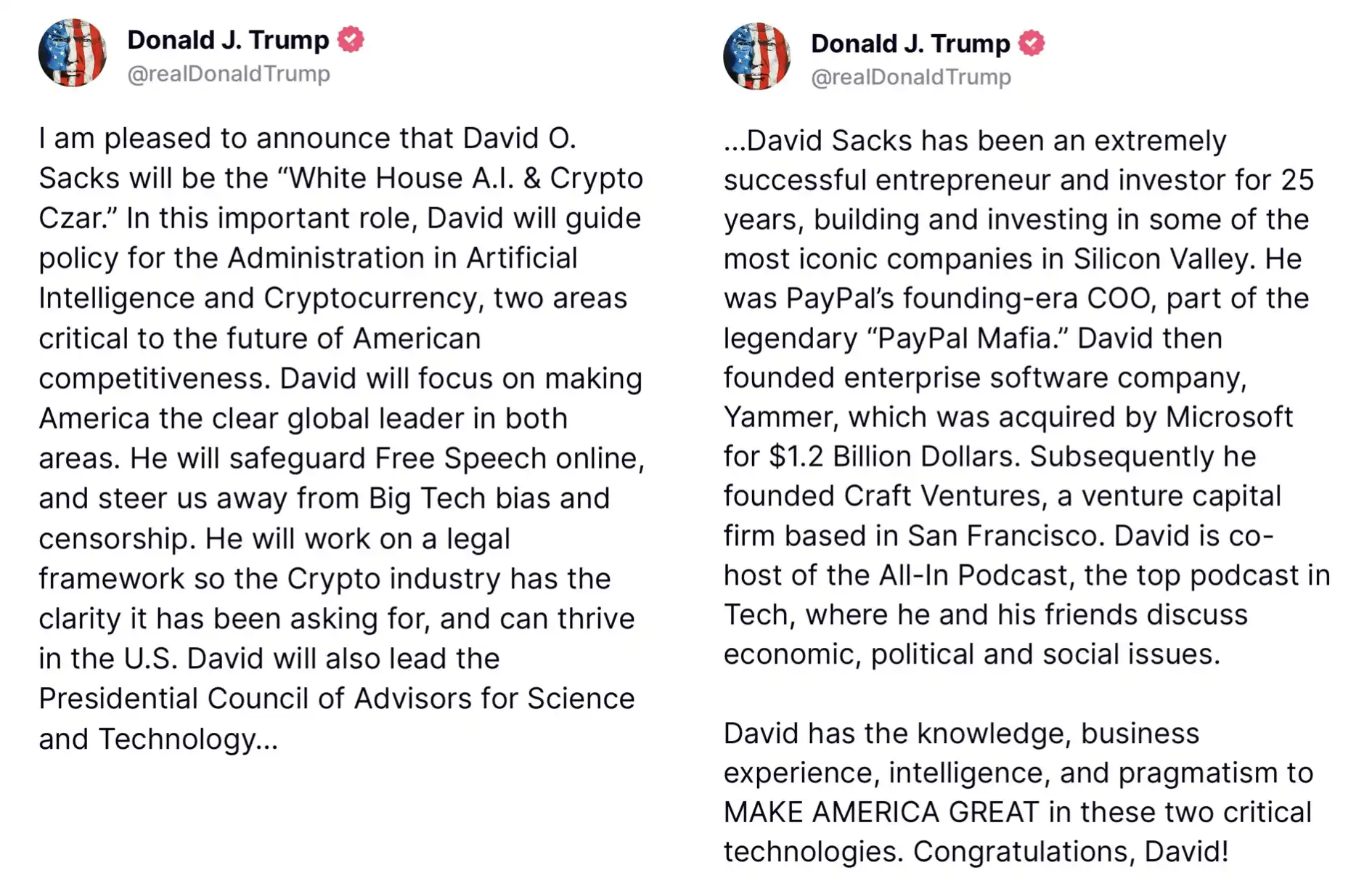
On December 6, following Trump's appointment of Paul Atkins as SEC chairman, Trump appointed PayPal co-founder David Sacks as "White House AI and Cryptocurrency Czar."
In a letter, Trump wrote, "In this critical role, David will shape government policy in the fields of artificial intelligence and cryptocurrency, both of which are vital to America's future competitiveness. His aim is for the United States to be an undisputed global leader in these two areas.
David will focus on protecting free speech online, avoiding the influence of bias and censorship by big tech companies. He will also work to establish a clear legal framework to provide the long-needed clarity for the cryptocurrency industry to thrive in the United States. Additionally, he will lead the Presidential Council of Advisors for Science and Technology."
This decision has received widespread acclaim from the crypto community as David Sacks' crypto experience is highly seasoned. Matthew Dibb, Chief Investment Officer of crypto asset management firm Astronaut Capital, described this news as very optimistic, stating, "Over the years, David has had practical experience in cryptocurrencies, holding tokens such as SOL. His technical and business acumen in cryptocurrencies seems much stronger than most people imagine."
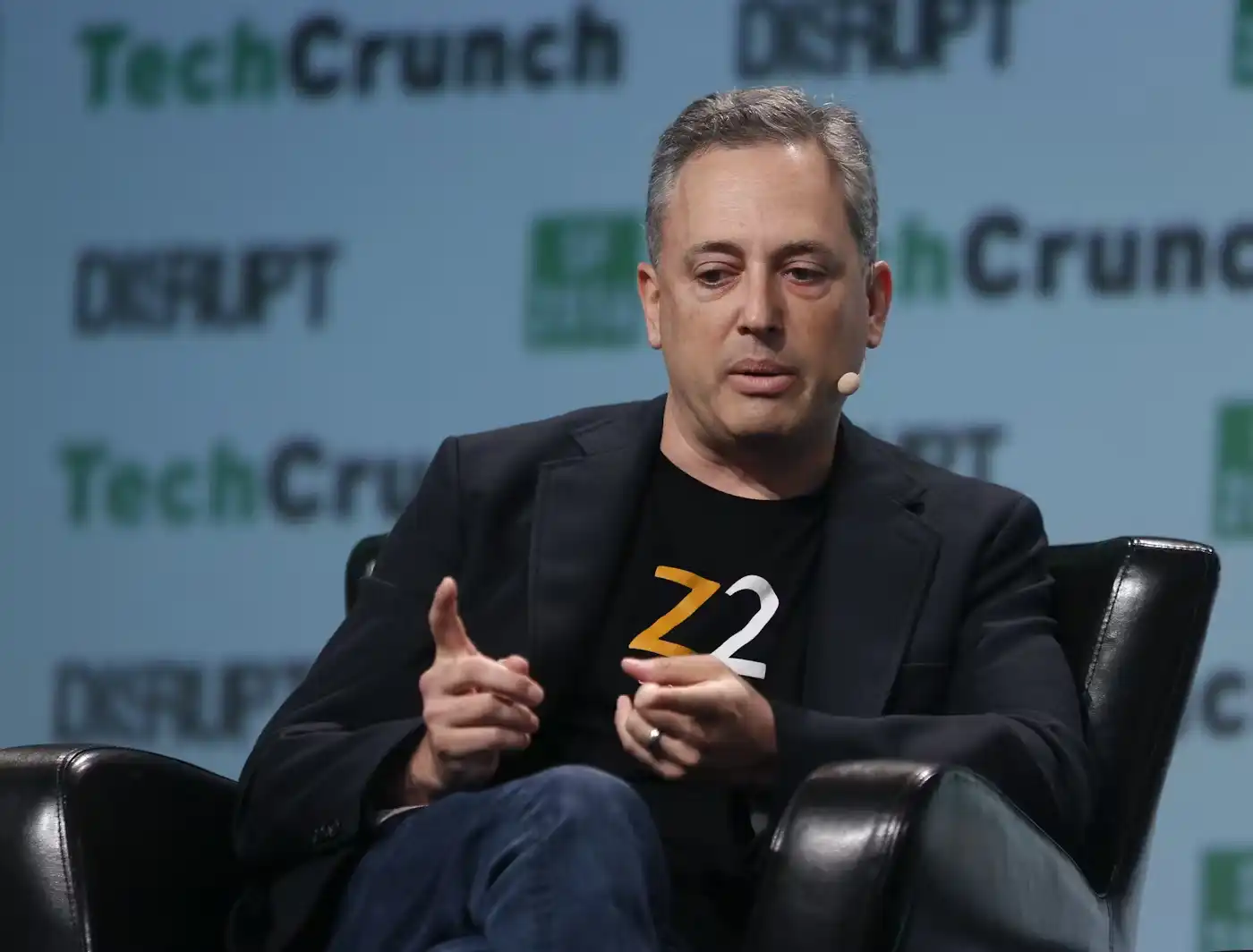
David Sacks speaking at the 2016 TechCrunch Disrupt conference
Trump introduced David Sacks by saying, "Over the past 25 years, he has been a highly successful entrepreneur and investor, involved in building and investing in some of Silicon Valley's most iconic companies. He was the early COO of PayPal and a member of the legendary 'PayPal Mafia.' He later founded the enterprise software company Yammer, which was acquired by Microsoft for $1.2 billion. He then established Craft Ventures, a San Francisco-based venture capital firm. David is also a co-host of the popular tech podcast 'All-In Podcast,' where he and his friends discuss economic, political, and social issues."
While Sacks may not be as well-known as Musk, he has been a loyal supporter of Trump during the election cycle, a regular in conservative media and on Twitter, and has been gaining increasing influence in the political battles of the tech industry.
From the "PayPal Mafia" to a "Tech-Politico," David Sacks's Early Life
David Sacks was born into a Jewish family in Cape Town, South Africa, and at the age of five, he moved to Tennessee, USA, with his family. Although Sacks did not have a clear ambition to become an entrepreneur at the time, he did not aspire to pursue a career like his father's — who was an endocrinologist.
In 1994, Sacks graduated from Stanford University with a bachelor's degree in Economics, and in 1998, he earned a Juris Doctor from the University of Chicago Law School. In 1999, Sacks left his job at McKinsey to join Confinity, an e-commerce startup founded by Max Levchin, Peter Thiel, and Luke Nosek. That same year, Sacks became the first Product Manager of Confinity, the flagship product of which later became PayPal.
Subsequently, Sacks was promoted to Chief Operating Officer (COO) of PayPal, where he was responsible for building the company's core team and overseeing multiple functional areas such as product management and design, sales and marketing, business development, international business, customer service, anti-fraud operations, and human resources.
Sacks was a member of the so-called "PayPal Mafia," a group composed of PayPal's founders and early employees who later founded a series of successful tech companies. They are considered a driving force in the rise of Web 2.0 and the revival of consumer-focused Internet companies after the bursting of the dot-com bubble in 2001.
After PayPal was sold to eBay in 2002, Sacks ventured into Hollywood and produced the satirical film "Thank You for Smoking" in 2005, depicting how lobbyists work to make unpleasant things acceptable.
2006, Sacks and Musk at a party in New York for "Thank You for Smoking"
2006, Sacks and Musk at a party in New York for "Thank You for Smoking"
In 2006, Sacks founded the website Geni.com, and in 2008, Sacks and co-founder Adam Pisoni spun off this internal communication tool into an independent company called Yammer. In 2008, Yammer launched the first enterprise social network for internal communication and collaboration. In July 2012, Microsoft acquired Yammer for $1.2 billion as a key part of its cloud/social strategy.
In December 2014, David Sacks made a "major investment" in the recruiting platform Zenefits. By January 2016, amidst a "regulatory crisis" around licensing compliance, the Zenefits board asked Sacks to step in as interim CEO, ousting then-CEO Parker Conrad.
Over the next year, Sacks negotiated with insurance regulators nationwide, reaching a settlement agreement and earning praise for "turning the tide." He also overhauled Zenefits' product line, launching the "Z2" plan and introducing a Software as a Service (SaaS) business model. Subsequently, PC Magazine dubbed Zenefits the "best HR software on the market," but simultaneously, a BuzzFeed report highlighted the company's annual loss exceeding $200 million. After serving as interim CEO for just 10 months, Sacks passed the baton to former Ooyala CEO Jay Fulcher.
By the end of 2017, Sacks co-founded Craft Ventures with Bill Lee, focusing primarily on B2B software. They raised an initial $350 million fund, announced a second $500 million fund in October 2019, raised $1.1 billion in 2021, and in November 2023, Craft Ventures secured $1.3 billion through Craft Ventures IV and Craft Ventures Growth II funds.
In March 2020, Sacks created a business tech commentary podcast, the "All In Podcast," supported by David Sacks and three other venture capitalists: Chamath Palihapitiya, Jason Calacanis, and David Friedberg. The podcast covers current events, market trends, political issues, and industry insights.
In 2021, Sacks co-founded the workspace chat company Glue with his former Craft colleague Evan Owen. The company launched an AI tool that can be used in specific chats on platforms like Google Meet and Zoom, providing AI support to employees during conversations. The product was officially released to the public in May 2024.
In 2021, David Sacks co-founded a social audio and podcast seamless integration app called Callin with Axel Ericsson, and also secured a $12 million Series A funding round led by Sequoia, Goldcrest, and Craft Ventures.
The Musk Bros, Peter Thiel's Classmate, Man Behind Trump
In recent years, as a long-time associate of Musk and Peter Thiel, Sacks has transitioned from a prominent Silicon Valley executive to a media personality, attracting a large following of right-leaning entrepreneurs to his "All-In" podcast.
Thiel and Sacks met at Stanford University, where they co-authored Thiel's Stanford Review. The two have supported each other in the business and political worlds, and under Peter Thiel's guidance, David Sacks built his own political donor network PAC. Last December, he hosted a fundraising event for J.D. Vance. In April this year, Sacks donated $1 million to the "Protect Ohio Values PAC," which supports Vance. Around the same time, Donald Trump endorsed Vance for Vice President.

In September this year, Sacks co-hosted a Republican fundraising event with PayPal Mafia member Keith Rabois, despite providing strong support for Vance, he has done little to promote the event on social media or through articles. His $1 million donation also received little media attention. However, in March this year, Sacks publicly praised Vance's call for the U.S. to exercise military restraint towards Ukraine. He tweeted, "This is why I am proud to support Vance." The tweet also referenced MAGA-related content and added, "It is time to put America's interests first."
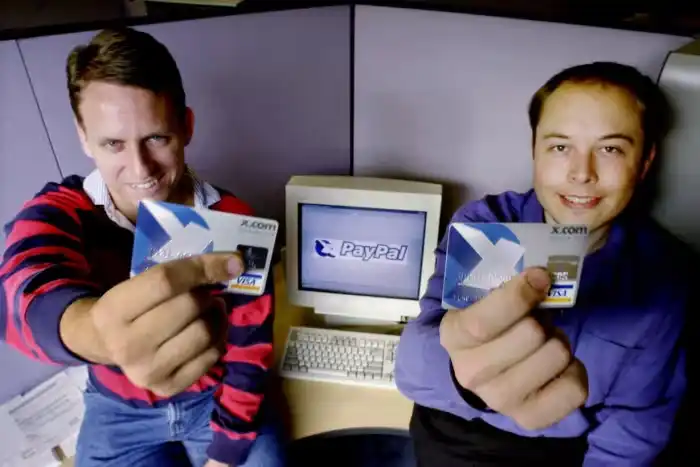
As one of the most influential entrepreneurial teams in Silicon Valley's history, the story of the PayPal Mafia is always intertwined with the names of David Sacks and Elon Musk. These two business partners who once struggled together at PayPal, despite diverging career paths, have always had intertwined impacts in the tech and startup world.
David Sacks also indirectly participated in Elon Musk's acquisition of Twitter, according to sources familiar with the matter. When Musk was seeking funding for the acquisition, Sacks leveraged his connections in Silicon Valley and Wall Street to help Musk attract investment from top institutions such as Sequoia Capital, Andreessen Horowitz, and others.
This investment not only filled Musk's financing gap but also strengthened market confidence in the deal. Additionally, Sacks has defended Musk multiple times on his own podcast, discussing the significance of acquiring Twitter and linking it to the value of free speech, calling the transaction "a key step for the tech industry to resist the censorship regime."
Sacks claimed that his political stance has "evolved" from liberalism to "populism." During an interview on Anthony Pompliano's podcast with prominent figures in the Bitcoin space, he mentioned his "working-class perspective" aligning with the transitioning Republican Party.
At this year's Axios Technology Conference, Sacks stated that he has "more disagreements with Biden than with Trump," and shortly after, he invited Trump to participate in the renowned podcast "All In Podcast" that he co-hosts, setting the stage for Trump's subsequent campaign success.

In June of this year, Trump hosted a fundraising event at Sacks' mansion in the affluent neighborhood of San Francisco. During the event, Trump portrayed himself as the "Cryptocurrency President," fiercely criticizing the Democratic Party's regulatory hostility towards the industry and stating that he would cease Gensler's crackdown on the crypto industry "within an hour of taking office." At the event, Sacks, the Winklevoss brothers, and others discussed their cryptocurrency investments with Trump, ultimately raising $12 million from the gathering.
Now, as Trump is set to return to the White House, Sacks has been nominated as the "White House AI and Cryptocurrency Czar," and the crypto market is most concerned about how Sacks will lead the future of crypto in the United States.
SOL Maxi, David Sacks's Crypto Kingdom
In 2017, during an interview with CNBC, David Sacks discussed the "ICO and future SEC regulatory coordination" and expressed his hope that the SEC could distinguish between "utility coins" and "asset coins." Utility coins have real-world use within a software ecosystem and should not be considered securities, while asset coins fall under the securities category.
In 2018, David Sacks announced an investment in the cryptocurrency venture capital firm Multicoin. Multicoin was one of the early investors in Solana and led a $20 million funding round for Solana in July 2019.
That same year, he also joined the advisory board of the decentralized exchange protocol 0x, while also helping facilitate a partnership between 0x and the digital securities platform Harbor. It is worth noting that Harbor was a project invested in and incubated by Sacks' venture capital firm Craft Ventures, focusing on providing a blockchain-based digital securities platform covering compliant fundraising, investor management, and liquidity services. Subsequently, in February 2020, Harbor was acquired by the digital asset custody giant BitGo.
In December 2023, Sacks stated that after the FTX rug pull, he did not sell SOL, "One of the dumbest attacks on me this year was saying I sold my SOL tokens to retail. If I had done that, they would be swimming in profits now. Congratulations to all SOL holders."
One of David Sacks' highlights in the crypto world should be when he was appointed by Trump as the "White House AI and Cryptocurrency Czar." According to Bloomberg, David's entry into the White House did not require him to divest or publicly disclose his assets. Like Elon Musk, he became a special government employee and could serve a maximum of 130 days per year.
David Sacks' Investment Portfolio
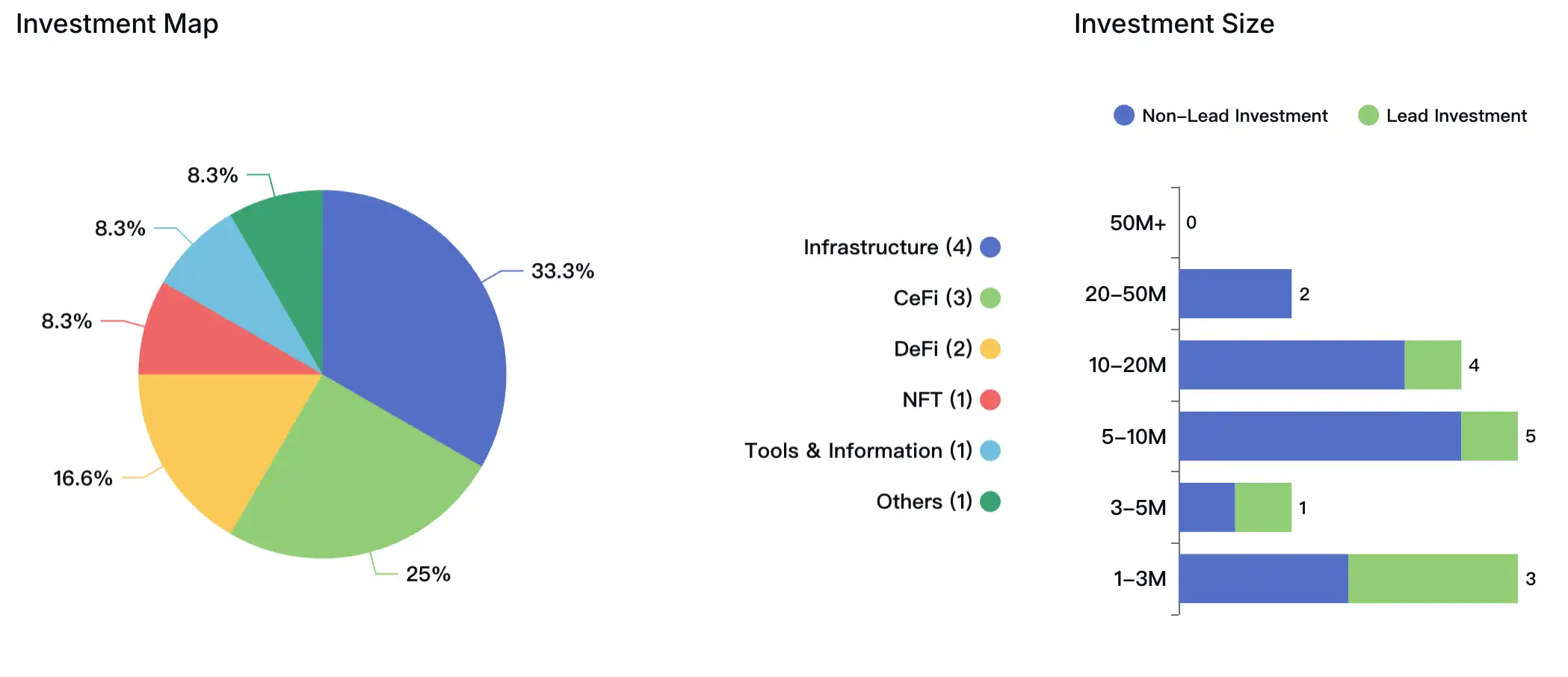
According to RootData, Craft Ventures' crypto investments involve a total of 12 projects, with infrastructure dominating the majority. BlockBeats has compiled and introduced them for reference.
dYdX
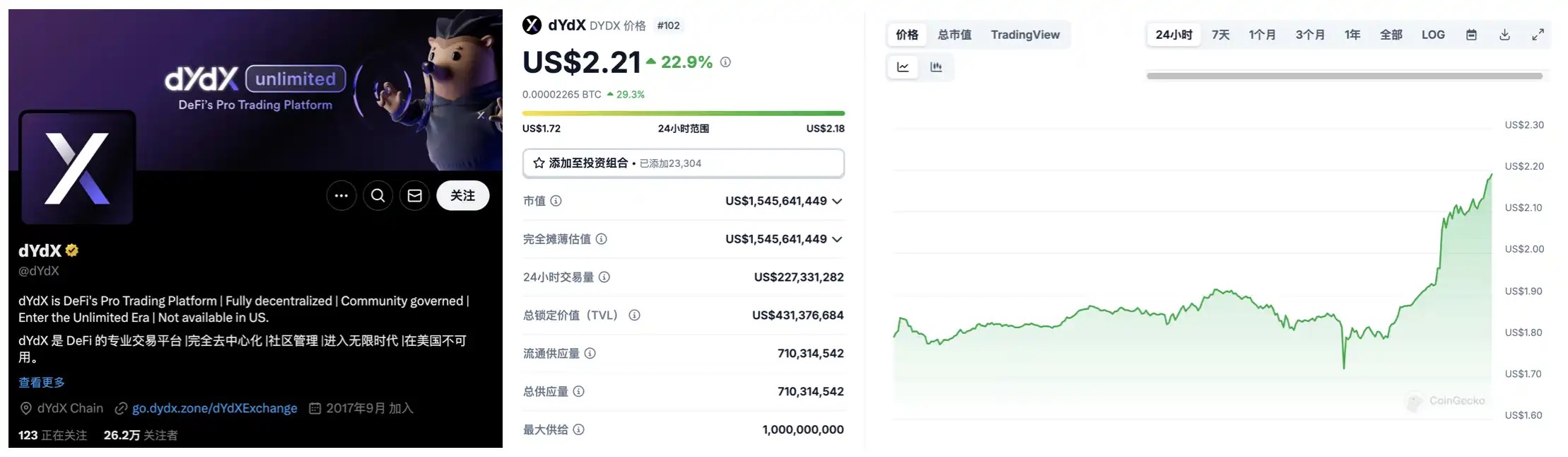
dYdX is a decentralized trading platform that offers users key financial tools such as perpetual contracts, margin trading, spot trading, lending, etc. It provides traders with off-chain order books and on-chain settlement, allowing them to short tokens, increase long positions' risk exposure through leverage, and earn interest by depositing tokens for faster trading.
Following the announcement that David Sacks, the VC under today's Trump government's cryptocurrency czar, had invested in dYdX, DYDX24 saw a 24.53% intraday increase.
Lightning Labs
Lightning Labs has developed software that supports the Lightning Network. Its open-source, secure, and scalable system enables users to send and receive funds more efficiently than ever before. Lightning Labs also offers a range of verifiable non-custodial Lightning-based financial services, bridging the world of open-source software and next-generation Bitcoin financial software.
Lightning Labs completed its latest funding round on April 5, 2022, raising $70 million in Series B funding. The round was led by investors such as Valor Equity Partners, NYDIG, Goldcrest Capital, Baillie Gifford, and Vlad Tenev, with other notable investors in the project including CMT Digital, Electric Capital, Digital Currency Group, among others.
River Financial
River Financial is a financial institution focused on Bitcoin financial services. It enables clients to manage both Bitcoin brokerage accounts and Bitcoin mining accounts on one platform. The company's flagship product — Bitcoin brokerage service — provides a platform for sophisticated retail investors to buy and sell Bitcoin. Additionally, River Mining allows customers to use their own funds for Bitcoin mining.
The company completed a $35 million Series B funding round on May 16, 2023, led by Kingsway Capital, Alarko Ventures, and other notable investors including Polychain, Peter Thiel, among others.
Kresus
Kresus is a Web3 mobile super app that allows users to create, manage, and store all digital assets.
Kresus raised $25 million in Series A funding on March 7, 2023, with lead investors Liberty City Ventures, Craft Ventures, and other notable investors including Franklin Templeton, Winklevoss Capital, among others.
Set Protocol
Set Protocol is an asset management platform used to create, manage, and obtain tokenized asset baskets. Set Protocol's primary use case is building "structured products," which are customizable, fully collateralized crypto asset baskets represented as on-chain ERC20 tokens, such as the DeFi Pulse Index ($DPI) and ETH 2x Flexible Leverage Index.
The company completed a $14 million Series A funding round on May 28, 2021, led by 1kx, Hashed, Craft Ventures, among others. Other notable investors in the project include 6th Man Ventures, The Spartan Group, and DeFiance Capital.
FOLD
Fold is the best way to earn Bitcoin, allowing you to earn Bitcoin through your everyday spending. By using the Fold Visa debit card and purchasing gift cards from the Fold store, you can earn Bitcoin with every purchase.
The company completed a $13 million Series A funding round on May 27, 2021, with Craft Ventures leading the round, and other investors including Slow Ventures, Bessemer Ventures, M13, and coinfund.

Harbor
Harbor is a digital securities platform designed to be a one-stop service platform for secure token issuers. Its digital platform automates the manual processes of alternative investment subscriptions, investor management, and secondary transfers. In November 2019, Harbor received a transfer agent license from the U.S. Securities and Exchange Commission (SEC), becoming the first blockchain company to hold both a broker-dealer license and a transfer agent license, and was acquired by BitGo on February 18, 2020.
Led by Founders Fund with other investors including Andreessen Horowitz, Pantera Capital, Blockchain Capital, 1confirmation, and Multicoin co-founders Kyle Samani and Tushar Jain.
Handshake
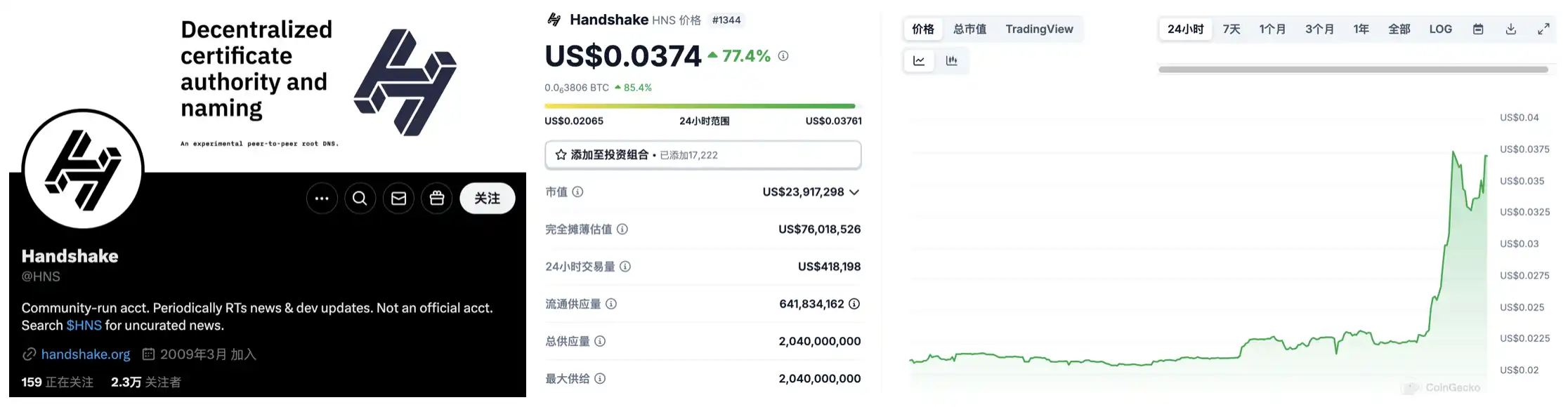
Handshake is a decentralized, permissionless naming protocol where every node is responsible for validating and managing the root DNS naming zone. Its goal is to create an alternative solution to existing certificate authorities and naming systems.
The company completed a $10.2 million financing on August 2, 2018, with investors including Andreessen Horowitz, Pantera Capital, Sequoia Capital, Polychain, Digital Currency Group, Hashed, Founders Fund, Greylock, Craft Ventures, Solana Foundation Chair Lily Liu, Dovey Wan, and others.
Voltage
Voltage is an enterprise-grade Lightning Network infrastructure that bridges the gap between fast, convenient cloud infrastructure and the security and privacy required by Bitcoin. It offers hosting services for users interested in running Bitcoin or Lightning nodes in the cloud.
The company raised $6 million in seed funding on January 20, 2022, with investors including Craft Ventures, Stillmark, Fulgur Ventures, Strategic Cyber Ventures, Cavalry Asset Management, and Tenzing.vc.
Galoy
Galoy is a Bitcoin-native banking infrastructure designed to provide easy access to payment, wallet, and banking services for any community or institution. The open-source Galoy Bitcoin banking platform includes a secure backend API, mobile wallet, point-of-sale app, compliance tools, and administrative control features.
The company raised $3 million in seed funding on December 16, 2021, with Craft Ventures leading the round and other investors including Kingsway Capital, Bitcoiner Ventures, Balaji Srinivasan, Lightning Ventures, among others.

Lumina
Lumina is a crypto-native financial platform that offers a full suite of institutional tools, including portfolio management, accounting, and tax services. Lumina automatically imports and reconciles users' current and historical transactions, helping users get a comprehensive view of their investment performance, holdings, and tax information.
The company completed a $4 million seed round of funding on October 2, 2018, led by Craft Ventures with other investors including Dragonfly and Bain Capital Ventures.
Rare Bits
Rare Bits is a decentralized crypto collectibles peer-to-peer marketplace where users can discover, purchase, and sell over 500,000 unique items that can be verified for their uniqueness on the blockchain. However, according to the project's official account information, the project is currently inactive.
You may also like

OpenAI Reveals It Has Confidentially Submitted an S-1 to the SEC, Keeping the Door Open for a Future IPO
On June 9, according to an OpenAI announcement, the company recently confidentially submitted a draft S-1 registration statement to the U.S. Securities and Exchange Commission (SEC), beginning the preliminary compliance process for a potential initial public offering. OpenAI said it chose to disclose this proactively because it expected the news might leak; however, the company has not yet set a specific listing timeline, and related arrangements may still take some time.

Latest research from 13 top universities including Cornell University: The current state, challenges, and misconceptions of the fusion of Crypto and AI
Deconstructing Anthropic: The Best AI Company, Possibly Also a Type of Organizational Invention
Apollo and Blackstone Reportedly Back $35 Billion Anthropic Chip Financing as Deal Details Remain Unclear
On June 9, according to currently available news alerts, Apollo and Blackstone Group participated in a $35 billion financing for an Anthropic “chip project.” Based on the original wording of the report, the funding has already been raised, but public information remains limited. The financing structure, use of proceeds, project entity, and whether Apollo and Blackstone participated through equity, debt, or project financing have not yet been disclosed.

Humanity Protocol Security Incident Escalates: More Than $31 Million Stolen From Related Addresses as Attacker Continues Selling H for ETH
On June 9, according to monitoring by Onchain Lens, more than $31 million has been stolen from addresses linked to Humanity Protocol, and the attack is still ongoing, with the hacker continuously swapping H tokens for ETH. Project founder Terence Kwok later confirmed the security incident on X, saying the issue involved a private key leak.

Bloomberg: As Bitcoin Weakens, Stablecoins and RWA Continue to Drive Expansion in Crypto Businesses
In June, Bloomberg reported that despite Bitcoin falling below $60,000 last week, wiping out about $235 billion in market value within seven days, and dropping close to 50% from last year’s peak, some core businesses in the crypto industry are still expanding, mainly in stablecoins, real-world asset tokenization (RWA), payments, and infrastructure. The report also noted that overall altcoin activity has contracted significantly: altcoin market capitalization has fallen from a peak of about $431 billion in November 2021 to around $170 billion, and among the tens of millions of tokens issued in recent years, fewer than 1,700 still maintain meaningful trading activity.

Galaxy Deep Research Report: How Hyperliquid's HIP-4 Upgrade Changes the Landscape of Prediction Markets?
Binance Research: RWA Market Expected to Expand Nearly 6x from Early 2025, with Public Equities and Onchain Payments Heating Up Together
In June, Binance Research said in its monthly market report that the real-world asset (RWA) market is expected to grow by about 589% from the beginning of 2025. Bond- and money market fund-related RWA expanded by about $6.5 billion, up 83% year over year, while publicly traded equity RWAs grew by about 422%. The report also noted that monthly crypto debit card transaction volume exceeded $747 million in May, up 48.6% year to date.

Japan to Assess a Framework for Yen Stablecoins and Crypto ETFs as Asia’s Compliant Payments Narrative Heats Up
Recently, according to the original report, Japan is considering the launch of yen stablecoins and cryptocurrency ETFs. Public information remains limited at this stage, and there is still no complete policy text, regulatory draft, or clear implementation timeline, so this is better characterized as a “policy discussion” rather than formal implementation. The original wording also noted that advancing stablecoin regulation in Asia is driving XRP usage and supporting growth in the XRPL ecosystem. However, based on currently available public information, there is not enough evidence to directly establish a clear causal relationship between this round of discussion in Japan and XRP or XRPL.

ZachXBT: Humanity private key leak and abnormal surge in H token should be viewed separately
On June 9, according to related disclosures, on-chain investigator ZachXBT posted an update on Humanity’s roughly $31 million security incident, saying that after further analyzing fund flows, he currently tends to believe the project team was not involved in an “inside job” or a self-staged attack. According to him, the official explanation about the private key leak was broadly accurate, but before the token unlock, the price of H had been artificially pushed higher, and the hacker later took advantage of that market environment; therefore, the private key leak and the earlier abnormal price pumping should be regarded as two separate and independent events. This reframing has shifted the market’s understanding of the nature of the incident. Earlier discussion around Humanity had focused on whether the team directly participated in the attack or used the security incident to cover up internal operations. ZachXBT’s latest remarks shift the focus from “whether it was self-theft” to “whether there were pre-unlock market structure issues.” He also questioned whether the team may have.

Morning Report | OpenAI has submitted an S-1 registration statement draft to the U.S. SEC; Morpho completes $175 million financing

Morning Report | BitMine increased its holdings by 126,971 ETH last week; trader Eugene announced his exit from the crypto market

Wang Chuan: How can one not feel anxious after the neighbor Old Wang made thirty times profit by investing in storage stocks? (Seven) - A quarter-century cycle
Cryptocurrency CEXs are flocking to sell US stocks, and traditional brokerages are facing an "uninvited guest."
$75 billion in foreign capital has fled, and South Korean retail investors have absorbed it all using leverage

Japan’s Three Megabanks Plan Joint Stablecoin Issuance in Fiscal 2026
MUFG, SMBC, and Mizuho reportedly plan to jointly issue fiat-pegged stablecoins in fiscal 2026, signaling Japan’s growing push into bank-led digital payment infrastructure.

Humanity Discloses H Token Dual-Chain Attack Details, With Losses on Ethereum and BSC Exceeding $36 Million
Humanity said the H token attack across Ethereum and BSC caused more than $36 million in losses after leaked ProxyAdmin keys enabled malicious contract upgrades and token minting.
White House Discusses CLARITY Act With Law Enforcement Ahead of Senate Vote
The White House discussed the CLARITY Act with law enforcement ahead of a Senate vote, focusing on illicit finance risks and developer protections.
OpenAI Reveals It Has Confidentially Submitted an S-1 to the SEC, Keeping the Door Open for a Future IPO
On June 9, according to an OpenAI announcement, the company recently confidentially submitted a draft S-1 registration statement to the U.S. Securities and Exchange Commission (SEC), beginning the preliminary compliance process for a potential initial public offering. OpenAI said it chose to disclose this proactively because it expected the news might leak; however, the company has not yet set a specific listing timeline, and related arrangements may still take some time.
Latest research from 13 top universities including Cornell University: The current state, challenges, and misconceptions of the fusion of Crypto and AI
Deconstructing Anthropic: The Best AI Company, Possibly Also a Type of Organizational Invention
Apollo and Blackstone Reportedly Back $35 Billion Anthropic Chip Financing as Deal Details Remain Unclear
On June 9, according to currently available news alerts, Apollo and Blackstone Group participated in a $35 billion financing for an Anthropic “chip project.” Based on the original wording of the report, the funding has already been raised, but public information remains limited. The financing structure, use of proceeds, project entity, and whether Apollo and Blackstone participated through equity, debt, or project financing have not yet been disclosed.
Humanity Protocol Security Incident Escalates: More Than $31 Million Stolen From Related Addresses as Attacker Continues Selling H for ETH
On June 9, according to monitoring by Onchain Lens, more than $31 million has been stolen from addresses linked to Humanity Protocol, and the attack is still ongoing, with the hacker continuously swapping H tokens for ETH. Project founder Terence Kwok later confirmed the security incident on X, saying the issue involved a private key leak.
Bloomberg: As Bitcoin Weakens, Stablecoins and RWA Continue to Drive Expansion in Crypto Businesses
In June, Bloomberg reported that despite Bitcoin falling below $60,000 last week, wiping out about $235 billion in market value within seven days, and dropping close to 50% from last year’s peak, some core businesses in the crypto industry are still expanding, mainly in stablecoins, real-world asset tokenization (RWA), payments, and infrastructure. The report also noted that overall altcoin activity has contracted significantly: altcoin market capitalization has fallen from a peak of about $431 billion in November 2021 to around $170 billion, and among the tens of millions of tokens issued in recent years, fewer than 1,700 still maintain meaningful trading activity.


